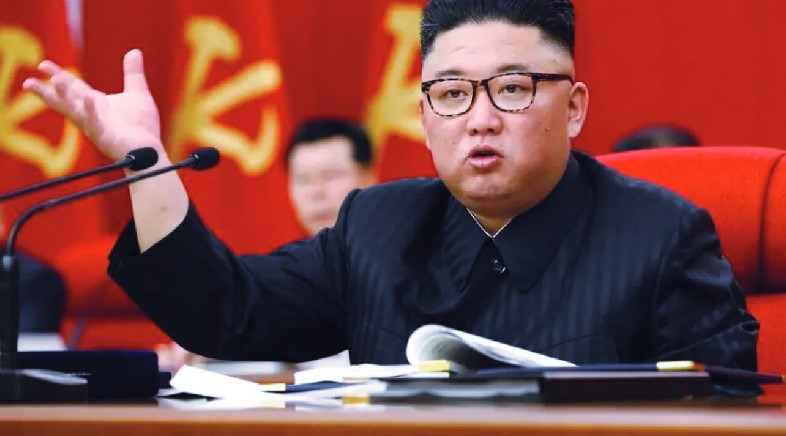
In a defiant address to the Supreme People’s Assembly on March 23, 2026, North Korean leader Kim Jong Un officially declared that his nation’s status as a nuclear-armed power is now “absolutely irreversible,” effectively slamming the door on any future negotiations centered on denuclearization. Speaking before the country’s rubber-stamp parliament in Pyongyang, Kim emphasized that the rapid expansion of North Korea’s nuclear and missile programs was the “right and justified” choice to counter what he termed the “gangster-like” hegemonic pursuits of the United States and its allies. He underscored that the nation’s dignity and ultimate victory can only be guaranteed by the “strongest of power,” signaling a permanent shift in policy that treats its nuclear arsenal not as a bargaining chip, but as a fundamental pillar of its statehood. Analysts suggest this rhetoric is intended to force the international community, and specifically the Trump administration, to accept North Korea as a permanent nuclear state as a precondition for any future diplomatic engagement.
This hardening of the North’s nuclear stance was accompanied by a sharp escalation in rhetoric against South Korea, which Kim formally designated as the “most hostile” and “No. 1 enemy” state. Moving away from decades of policy aimed at eventual peaceful reunification, Kim warned that the North would “thoroughly ignore and disregard” its southern neighbor, threatening “merciless consequences” for any perceived infringements on North Korean sovereignty. The assembly reportedly passed a revised constitution during the two-day session, which is expected to codify this new, hostile definition of inter-Korean relations. This move reflects Kim’s strategic pivot toward a “new Cold War” alignment, prioritizing deepened military and economic ties with Russia and China while building a united front against what he described as American “state terrorism and aggression,” specifically citing recent Western military actions in the Middle East as a cautionary tale for any nation lacking a nuclear deterrent.
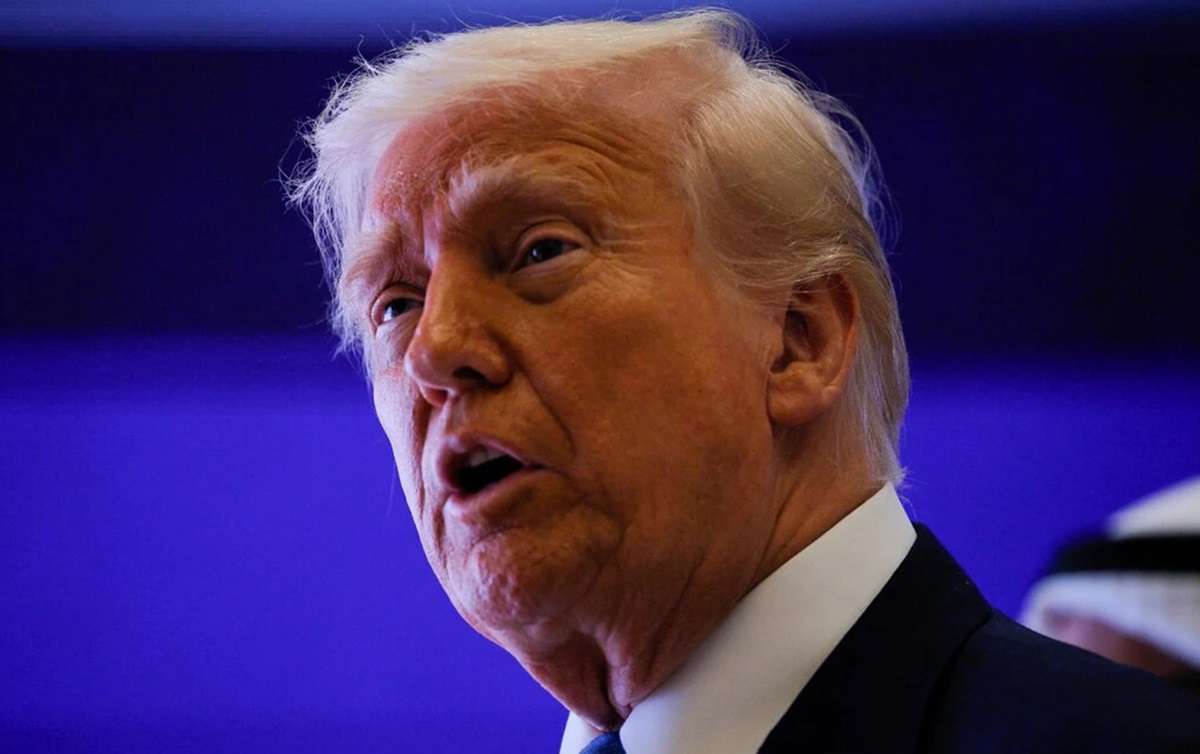
Despite the aggressive posture, Kim’s speech contained a calculated layer of strategic ambiguity regarding Washington. While he vilified U.S. foreign policy, he notably refrained from calling out President Donald Trump by name, stating instead that the choice between “confrontation or peaceful coexistence” ultimately lies with his adversaries. This suggests that while Kim is doubling down on his “military-first” domestic agenda—allocating nearly 16% of the 2026 state budget to defense—he may be keeping a narrow window open for high-level summits, provided they focus on arms control and sanctions relief rather than disarmament. As the North continues to surge production of tactical nuclear weapons and solid-fuel ICBMs, the global security landscape enters a volatile new phase where Pyongyang no longer views itself as a country under threat, but as a power capable of posing a direct and permanent threat to its enemies.