As reports of “fluid” back-channel negotiations between the United States and Iran surface, Israel finds itself in a complex position of “cautious coordination” and continued military action. Prime Minister Benjamin Netanyahu confirmed on March 24, 2026, that he has held extensive discussions with U.S. President Donald Trump regarding these potential talks. According to the Israeli leadership, the U.S. administration views the current military gains—including the degradation of nearly 70% of Iran’s ballistic missile launchers—as a “leverage point” to secure a comprehensive agreement. However, Israel has made it clear that while it supports a diplomatic resolution that safeguards its “vital interests,” it will not pause its own operations. Even as Trump announced a five-day delay in strikes on Iranian power plants to facilitate dialogue, the Israeli Air Force (IAF) continued to target IRGC command hubs in Tehran and Hezbollah infrastructure in Beirut.
For Israel, the reported negotiations are seen as both a strategic opportunity and a potential security risk. The Netanyahu government’s official stance is that any “deal” must result in the total and verifiable removal of Iran’s enriched uranium and the permanent dismantling of its long-range missile program. Israeli officials are wary of a repeat of previous “flawed” agreements and have emphasized that their military pressure is what brought Tehran to the table in the first place. This “dual-track” approach—supporting U.S. diplomacy while maintaining an independent strike capability—is intended to ensure that Israel is not sidelined by a deal that settles for a “frozen conflict” rather than a total resolution of the Iranian nuclear threat.
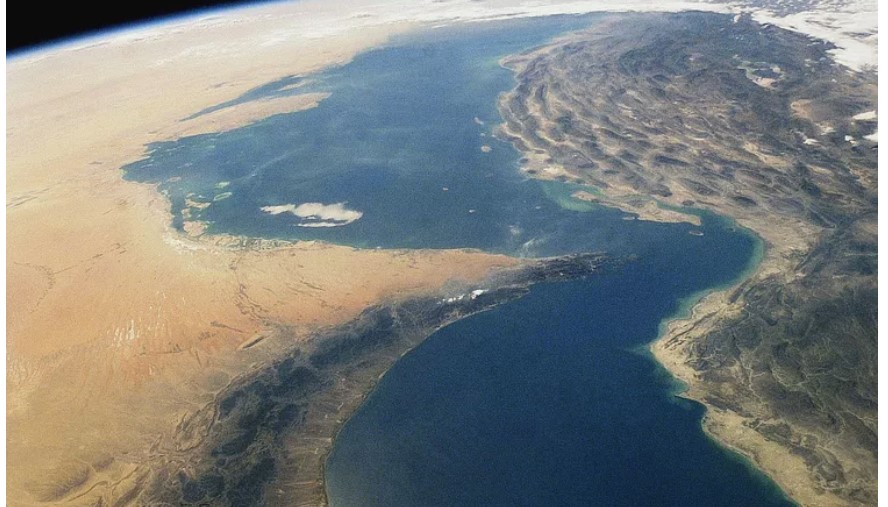
The stakes for Israel remain historically high, especially following two rounds of Iranian missile fire earlier today that targeted Jerusalem and northern Israel. While the U.S. focuses on reopening the Strait of Hormuz and stabilizing global oil prices, Israel’s primary objective remains the neutralization of “existential threats” from the new Iranian leadership under Mojtaba Khamenei. As Trump’s envoys, including Jared Kushner and Steve Witkoff, reportedly engage with Iranian intermediaries, the Israeli military has signaled that it remains on a “war footing.” The coming days will be a litmus test for the U.S.-Israel alliance: whether Washington can deliver an agreement that meets Jerusalem’s “red lines” or if Israel will feel compelled to launch even more decisive strikes to finish the work it began on February 28