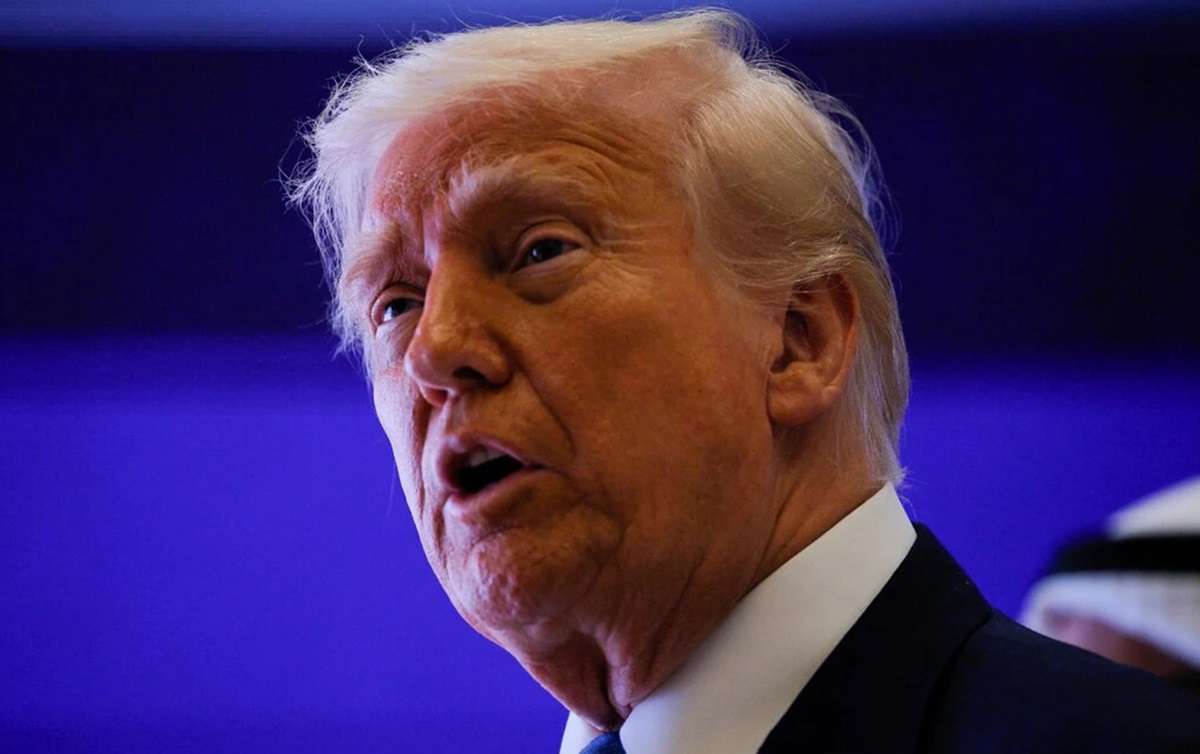
President Donald Trump’s approval of the 2026 sanctions legislation has intensified discussions surrounding energy sovereignty and secondary trade penalties. The newly minted law outlines specific parameters allowing Washington to target the top five consumers of Russian petroleum products with steep import tariffs reaching up to 100 per cent. Because Russian crude historically constitutes a major portion of India’s import mix—amounting to tens of billions of dollars annually—policymakers are closely evaluating the potential economic fallout for domestic refiners and bilateral commerce. While the legislation provides statutory waiver pathways based on national interest exemptions, the Ministry of External Affairs has already formally registered its reservations with high-ranking US counterparts regarding the stability of international energy networks.
Russia Sanctions Signed into Law by Trump: What Lies Ahead for India Amid 100% Tariff Risks