Shipping activity through the Strait of Hormuz has sharply slowed after reports that Iran declared the strategic waterway closed, triggering widespread disruptions in one of the world’s most important energy and trade routes. Tanker movements were significantly reduced as shipping operators, insurers and vessel owners reassessed risks amid rising geopolitical tensions in the Gulf region.
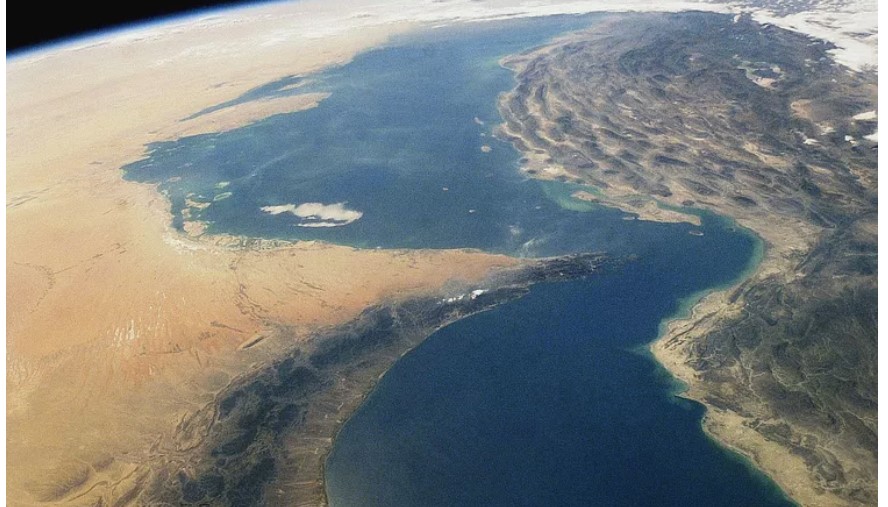
The Strait of Hormuz, which handles a substantial share of global crude oil and liquefied natural gas shipments, is considered a critical chokepoint for international energy supplies. Any restriction or slowdown in traffic immediately affects global markets, as tankers carrying oil from major producers in the Middle East must pass through the narrow passage to reach international buyers.
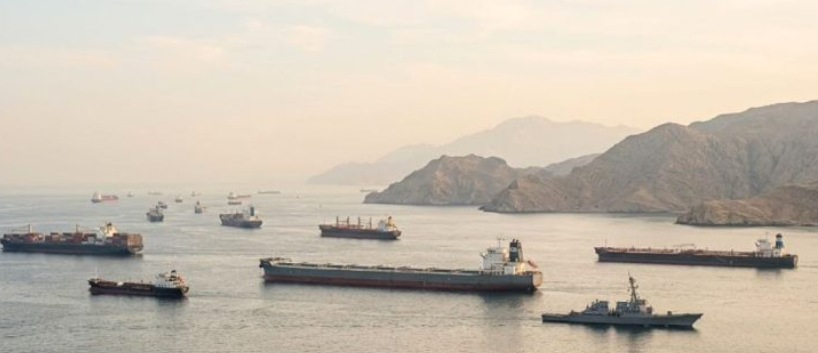
Following the reported closure announcement, several vessels were seen anchoring or diverting routes, while shipping companies adopted a wait-and-watch approach due to safety concerns. Industry trackers noted that uncertainty over navigation permissions and potential security threats has effectively stalled normal maritime operations in the region.
The disruption comes amid heightened tensions involving Iran and Western powers, with maritime security agencies warning of increased risks including interception threats, electronic disruptions and potential military escalation. Insurance costs for vessels operating in the region have also reportedly surged, further discouraging transit through the waterway.
Energy analysts caution that prolonged disruption could tighten global oil supply chains and push up freight and insurance costs, adding pressure to already volatile commodity markets. Even partial slowdowns in the strait can have outsized effects, given that a significant portion of global energy exports depend on this route.
For now, shipping companies are closely monitoring diplomatic and military developments, while governments and international agencies are expected to intensify efforts to ensure safe passage through the waterway. The situation remains fluid, with future trade flows dependent on whether tensions ease or further restrictions are imposed.