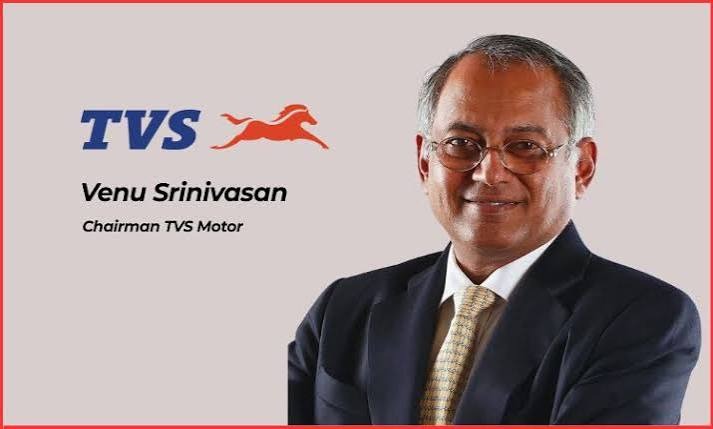
TVS Motor Chairman Emeritus Venu Srinivasan has called for a technology-agnostic approach to reducing vehicle emissions, arguing that electric vehicles should not be viewed as the sole answer to pollution and environmental concerns. Speaking on the sidelines of the IFQM Symposium 2026, Srinivasan said the automobile industry should assess the overall impact of different technologies on pollution, quality and the environment while preserving consumer choice. He said electric vehicles should be allowed to expand organically, with market demand and consumer preferences determining their adoption. In India, electric mobility has been gaining traction, particularly in the two-wheeler and three-wheeler segments, but Srinivasan suggested that policymakers and manufacturers should continue evaluating multiple technologies rather than relying exclusively on electrification. His comments come as the Indian automobile industry navigates a rapidly changing mobility landscape, with electric vehicles, alternative fuels and internal combustion technologies continuing to play different roles across vehicle categories. Srinivasan also backed ethanol blending in petrol, saying the policy could help India reduce its dependence on fuel imports while having only a limited impact on vehicle performance. He said any degradation in performance from ethanol blending has so far been marginal and should not become a major deterrent to the policy. Pointing to Brazil’s extensive use of ethanol, he argued that India should focus on the potential benefits of reducing fuel imports and improving environmental outcomes. At the same time, Srinivasan said consumers should have greater choice as ethanol blending levels rise. While he did not see a strong need for multiple fuel-blend options up to E10, he said higher blending levels could warrant alternatives because of concerns about the effect of greater ethanol content on vehicle materials. He acknowledged that higher ethanol blends could result in a mild reduction in fuel efficiency, but said the impact was being overstated. For Srinivasan, the broader issue is balancing environmental objectives, energy security and consumer preferences rather than prescribing a single technology or fuel pathway. Beyond the debate over mobility technologies and fuels, Srinivasan emphasised the importance of quality and productivity for India’s ambitions in global manufacturing. He said Indian companies would need to meet and exceed international benchmarks if the country is to secure a larger share of global manufacturing opportunities. Improving quality, he suggested, should become a defining characteristic of Indian industry as domestic manufacturers expand their presence in international markets. His remarks underline the need for companies to compete not only on cost but also on reliability, productivity and product standards. Srinivasan said India should aspire to make the country synonymous with quality, highlighting the role of manufacturing excellence in strengthening its global competitiveness. His comments come at a time when India is seeking to deepen its manufacturing base, attract global investment and build stronger export capabilities. The emphasis on quality and productivity therefore extends beyond the automobile sector, pointing to a broader requirement for Indian businesses to raise operational standards while adapting to evolving technologies, environmental priorities and changing consumer expectations while sustaining competitiveness in global markets over time.
Venu Srinivasan Calls for Technology-Neutral Approach to Cleaner Mobility