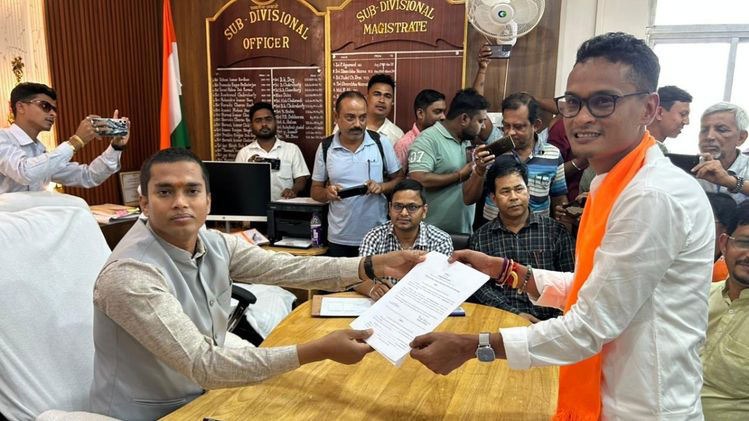
In a significant political transition for the Tripura Tribal Areas Autonomous District Council (TTAADC), the newly elected Chief Executive Member (CEM), Runiel Debbarma, officially assumed office today. Speaking immediately after his oath-taking ceremony, Debbarma outlined a vision centered on inclusive development, financial transparency, and a robust push for increased budgetary allocations to the council.
Addressing the media and supporters, Debbarma emphasized his commitment to the welfare of all residents within the council areas. He stated that his administration would be defined by sincerity and dedication, ensuring that the benefits of governance reach every section of society regardless of political or social affiliations.
A primary focus of the new CEM’s agenda is the chronic issue of funding. Debbarma highlighted that the TTAADC has been operating under significant financial constraints due to limited allocations from the state government. Despite these hurdles, he noted that the council has remained functional and productive over the last five years. However, to meet the rising aspirations of the tribal population, he asserted that a more substantial fiscal framework is required.
“We are receiving very limited funds from the state government,” Debbarma remarked. “We will proactively request both the state and central governments for additional funds. This will be a collective effort involving our MLAs, MDCs, and the guidance of Pradyot Bikram Manikya Debbarma.”
The CEM’s strategy involves a multi-tiered diplomatic approach, leveraging the influence of regional leadership to lobby for the council’s “Direct Funding” and “Greater Tipraland” aspirations, which have been central to the region’s political discourse. By involving senior leaders and elected representatives in the dialogue with New Delhi and Agartala, Debbarma hopes to secure the capital necessary for infrastructure, education, and healthcare projects.
Reflecting on his career, Debbarma noted that his previous five-year tenure as a Member of the District Council (MDC) has provided him with the “ground-level experience” necessary to navigate the complexities of tribal administration. He promised that this experience would translate into more effective governance and a faster response to the grievances of the people.
As the TTAADC enters this new chapter, the focus remains squarely on the upliftment of the marginalized and the professionalization of the council’s executive functions. With a vow of transparency and a clear roadmap for financial advocacy, Runiel Debbarma’s leadership marks a determined effort to strengthen the autonomy and efficacy of Tripura’s tribal governance.