
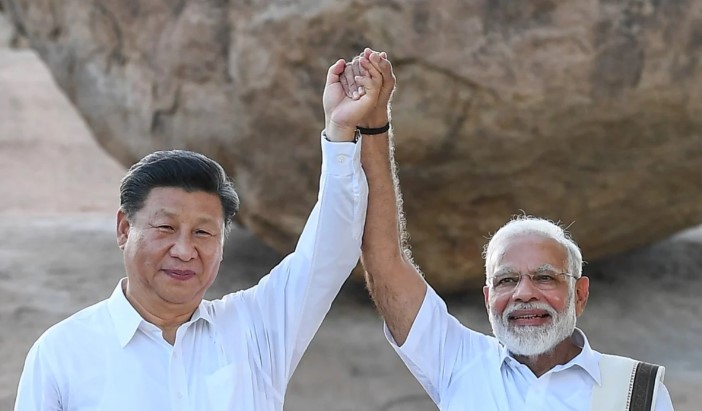
A visible easing of tensions between New Delhi and Beijing marks a significant shift in Asian geopolitics, but experts warn against mistaking this tactical thaw for permanent reconciliation. Following years of a diplomatic deep freeze triggered by the deadly 2020 Galwan Valley clash, the two nuclear-armed neighbors have recently taken concrete steps toward normalization. High-level border talks have led to the resumption of direct commercial flights, the reopening of crucial cross-border trade routes, and the reinstatement of tourist visas. Furthermore, shifting global dynamics—including intense tariff pressures from Washington—have pushed both nations to pragmatically manage their rivalry to avoid a costly, dual-front economic crisis.
However, beneath the surface of these diplomatic niceties lies a profound, institutionalized distrust that prevents a genuine reset. The fundamental catalyst for conflict remains entirely unresolved: a poorly demarcated 3,800-kilometer Himalayan border where both militaries continue to entrench heavy infrastructure. Beyond the frontier, the two Asian giants are locked in an intense battle for regional dominance. New Delhi remains deeply alarmed by Beijing’s mega-dam projects on transboundary rivers like the Brahmaputra, as well as its growing maritime footprint in South Asia. Conversely, China views India’s deepening strategic alignment with the West and maritime drills in the South China Sea with immense suspicion.
Ultimately, the current rapprochement is an exercise in cold, calculated realpolitik rather than newfound friendship. Driven by mutual economic necessity, India and China are attempting to compartmentalize their explosive territorial disputes while cooperating on shared global objectives within forums like BRICS. While the resumption of communication channels is a vital safeguard against unintended military escalation, the underlying structural rivalries remain completely intact. What is unfolding today is not a peaceful resolution, but a highly fragile détente where both powers have simply agreed to tolerate one another while keeping their guards firmly up.