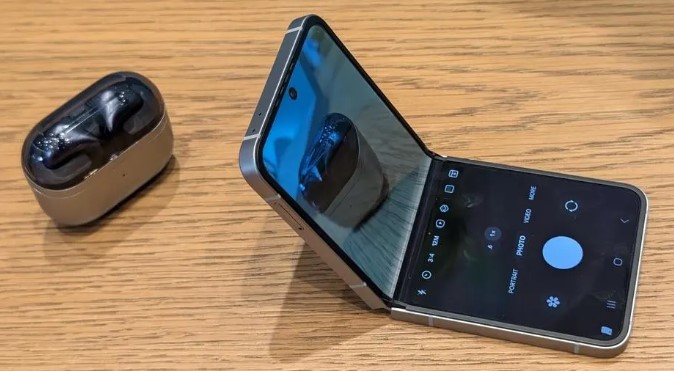
The mobile landscape is shifting rapidly as tech giants push the boundaries of hardware design and data privacy. Leaks from the Bluetooth SIG database have officially confirmed the upcoming launch of Samsung’s Galaxy Z Fold8 series, highlighting a highly anticipated “Ultra” model. The device is expected to sports a shorter, wider form factor powered by the Snapdragon 8 Elite Gen 5 processor, a significantly improved display crease, and up to seven years of software support. This hardware evolution signals Samsung’s intent to dominate the premium foldable space as competition intensifies globally.
Simultaneously, privacy-focused developer Murena has announced the rollout of /e/OS 4.0 and 4.1, an Android-based operating system designed to entirely bypass Big Tech tracking. The major upgrade introduces a groundbreaking “one-click” migration assistant that seamlessly transfers Gmail, Drive files, and contacts to Murena’s secure servers while automatically forwarding emails. This update aims to eliminate the technical friction of “de-googling” your phone, making data autonomy accessible to standard users through newly supported hardware like the repairable Fairphone 6 and Gigaset GS6.
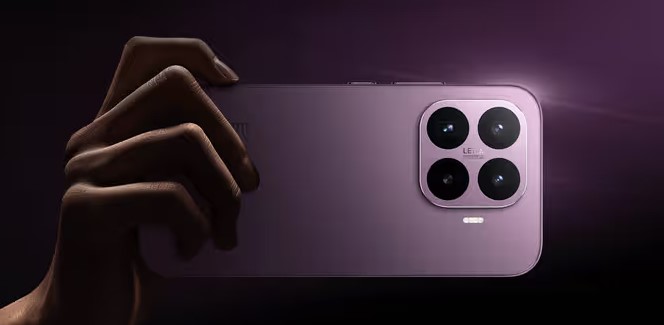
Meanwhile, Honor’s newly launched Magic V6 has faced its first comprehensive global reviews, positioning it as a mechanical masterpiece. Testing reveals that the ultra-slim flagship successfully mimics a traditional slab smartphone, measuring just 8.75mm when folded. Despite its razor-thin chassis, it packs a massive, record-breaking 6,660mAh silicon-carbon battery and an exceptionally durable Super Steel hinge. While reviewers noted that the MagicOS 10 software still requires refinement, the hardware sets a monumental new benchmark for foldable endurance and engineering.