Assam Chief Minister Himanta Biswa Sarma on Saturday extended his greetings to the people of the state, particularly the Tiwa community, on the occasion of the Wanchuwa Festival, describing it as a celebration that reflects Assam’s rich tribal heritage, gratitude towards nature and the spirit of community living.
In his message, the Chief Minister said Wanchuwa is an important post-harvest festival that celebrates a successful harvest while strengthening social bonds and preserving the cultural identity of the indigenous Tiwa community.
“Heartiest greetings to everyone, especially my brothers and sisters of the Tiwa community, on the occasion of Wanchuwa Festival. A beautiful reflection of our region’s rich heritage, Wanchuwa is a celebration of a bountiful harvest, community bonding and gratitude to nature,” Sarma said.
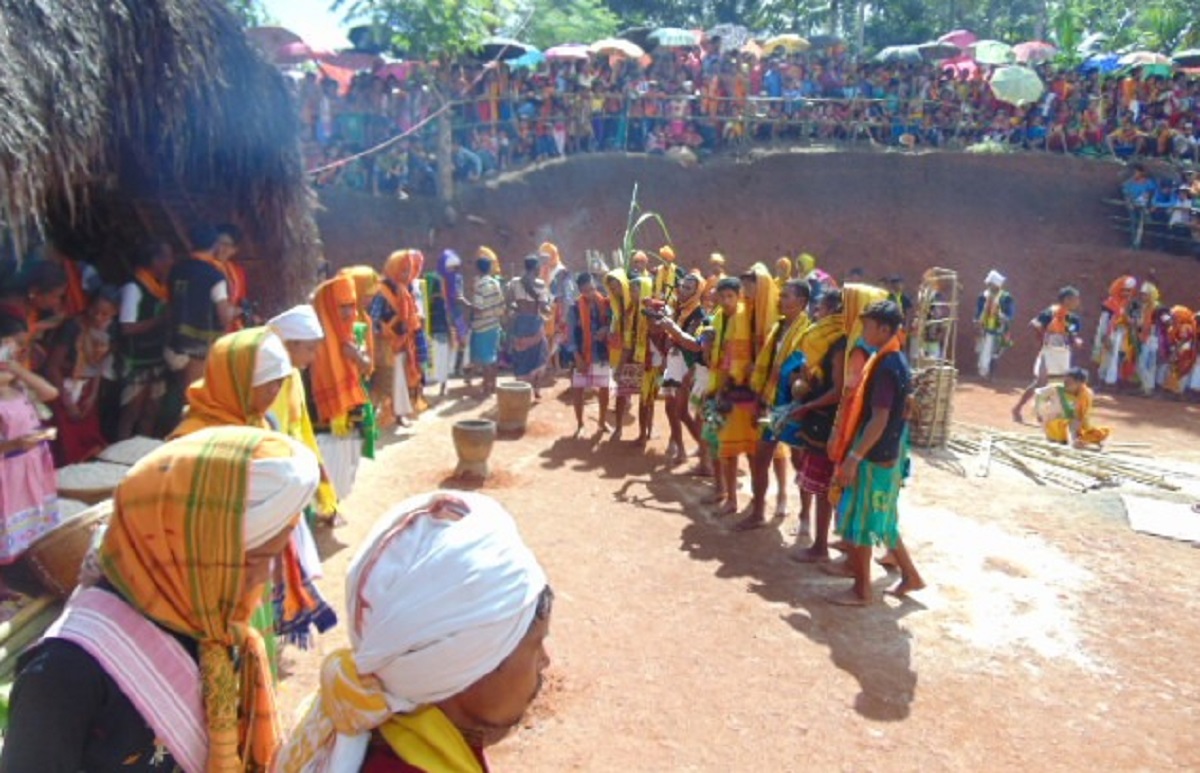
Traditionally observed by the Tiwa, also known as the Lalung community, Wanchuwa is celebrated once every five to six years between June and August, mainly in Tiwa-inhabited areas, including parts of Karbi Anglong. The festival holds deep cultural and spiritual significance and marks the successful completion of the harvest season.
The celebrations are marked by traditional music and dance performances, ceremonial rice-pounding rituals and community gatherings. A key feature of the festival is the preparation of wanrusa, a steamed rice cake that is offered to community deities as an expression of thanksgiving and a prayer for prosperity and well-being.
The Chief Minister said Assam’s indigenous festivals play an important role in preserving the state’s diverse cultural traditions and strengthening social harmony. He added that such celebrations showcase the unique identity and heritage of tribal communities while passing their customs and values on to future generations.
Sarma also said the state government remains committed to protecting and promoting the traditions, customs and cultural heritage of Assam’s indigenous communities through the Indigenous and Tribal Faith and Culture Department. He noted that continued efforts are being made to preserve these cultural practices and ensure they remain an integral part of the state’s rich and diverse heritage.