Marking World Tourism Day 2026, the Meghalaya government has outlined an ambitious roadmap to transform the state’s tourism sector through a community-led, climate-resilient and technology-driven model aimed at ensuring sustainable growth and year-round visitor engagement.
Tourism has emerged as a key driver of Meghalaya’s economy, with tourism-linked livelihoods rising from around 50,000 in 2022 to more than 75,000 in 2025. Tourist arrivals also touched nearly 18.55 lakh in 2025, reflecting the growing appeal of the northeastern state as a travel destination.
Backed by investments in over 150 tourism-related projects, Meghalaya is shifting its focus from high tourist volumes to a high-value, low-volume model. The Tourism Policy 2023 prioritises sustainable growth through carrying-capacity management, responsible pricing and zero-waste practices, while ensuring that tourism revenues benefit local communities directly.
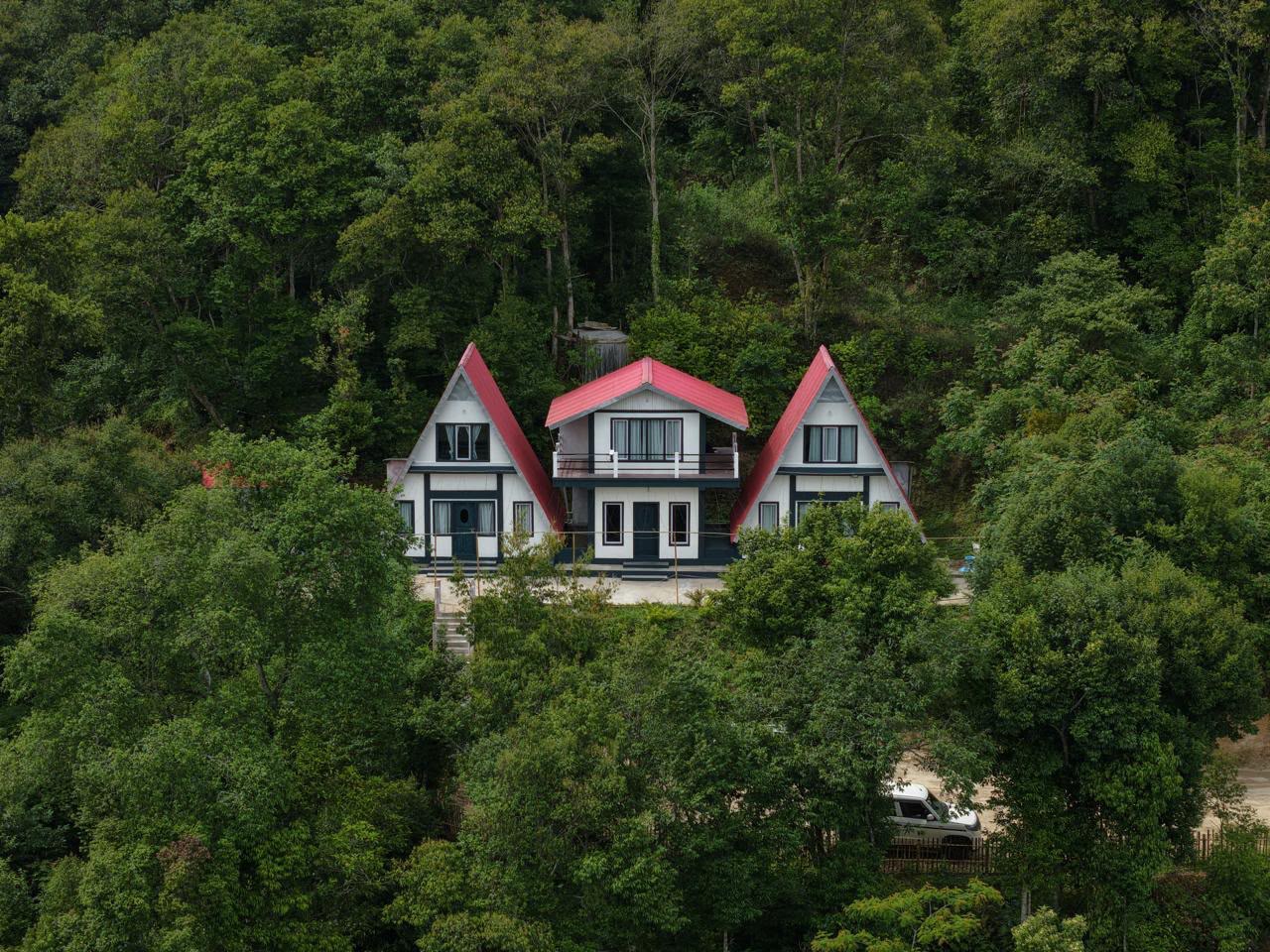
Community participation remains at the heart of the state’s strategy. The government has sanctioned 877 homestay applications and disbursed more than ₹120 crore, creating over 6,000 jobs. Under the Chief Minister’s Meghalaya Homestay Mission, the state aims to create and upgrade 1,000 homestays during 2026-27 as part of a larger target of 3,000 homestays.
The government is also strengthening village-led tourism through rural tourism cooperatives and the Community-Led Tourism Infrastructure Scheme. These initiatives are expected to provide local residents with greater opportunities in hospitality, transportation, guiding services and tourism-related enterprises.
Environmental sustainability has been integrated into the tourism development model. Through the Meghalaya Community-Led Landscape Management Project, over 400 villages have participated in land, forest and water restoration efforts. Programmes such as spring rejuvenation, mine-land restoration and Living Root Bridge conservation are being promoted to ensure ecological protection alongside economic development.
To expand tourism across all districts, the state has proposed more than ₹162 crore for destination development, community tourism and tourism infrastructure. Umiam, Sohra, Dawki-Shnongpdeng and Nokrek have been identified as major hubs for development into global-standard tourist destinations.
Among the flagship projects are the ₹233.75-crore PM-DevINE Sohra Tourism Circuit, the Shillong Peak Ropeway, Mawkdok Skywalk, Living Root Bridge Museum, Rain and Bamboo Interpretation Centre at Mawsynram, Tura Integrated Hospitality and Convention Centre and the Umngot Riverfront Development project at Dawki.
The state is also embracing digital technology and artificial intelligence in line with the World Tourism Day 2026 theme, “Digital Agenda and Artificial Intelligence to Redesign Tourism.” AI-based tools are being introduced to track tourist flows, manage crowd movement, monitor carrying capacity and support infrastructure planning. Visitor assistance programmes, including the Tourist Buddy initiative, are combining technology with community-based hospitality to improve the overall travel experience.
Meghalaya’s growing festival and creative economy is also contributing significantly to tourism. The Chief Minister’s Meghalaya Grassroots Music Programme has supported over 7,000 artists and generated more than 6,000 livelihoods. Major events including the Shillong Cherry Blossom Festival, Me’gong Festival and Shillong Literary Festival attracted more than 1.1 lakh visitors in 2025.
The state is further promoting heritage preservation through initiatives such as the Pine Home Eco-Sustainable Model Project and the newly inaugurated Twahlongwar Open Air Museum in Mawsynram, which showcases Meghalaya’s indigenous history and archaeological heritage.
The government said its long-term goal is to build a globally competitive tourism economy where economic growth, environmental conservation and community welfare advance together, ensuring that Meghalaya’s natural and cultural heritage remains protected for future generations.