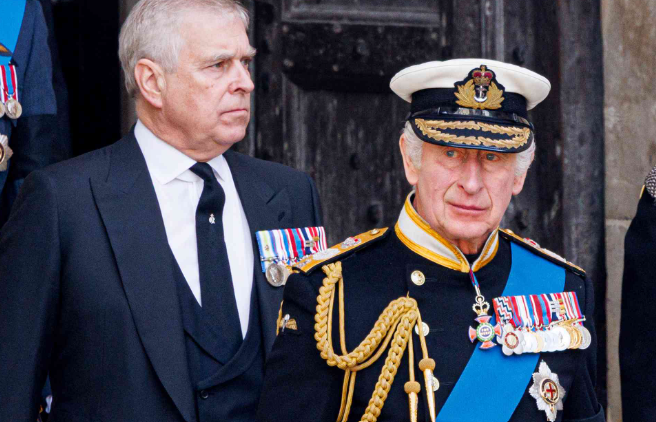
Prince Andrew, the former senior member of the British Royal Family, has reportedly been arrested amid an ongoing investigation examining his past association with disgraced financier Jeffrey Epstein. The development marks a dramatic turn in a controversy that has shadowed the Duke of York for years and once again places the monarchy under intense public scrutiny. Authorities have indicated that the detention forms part of a broader probe aimed at reassessing evidence and testimonies connected to Epstein’s network, though officials have not disclosed detailed specifics of the alleged grounds for arrest.
Prince Andrew’s links to Epstein have long been a subject of public debate and legal examination. Epstein, who was convicted of sex-related offenses and later died in custody in 2019, maintained relationships with several high-profile figures across politics, business, and entertainment. Andrew has consistently denied any wrongdoing and has previously stated that he regrets his association with Epstein. The Duke stepped back from public royal duties in 2019 following mounting criticism and a widely discussed televised interview in which he addressed the allegations.
Legal experts note that an arrest does not constitute a finding of guilt and that due process will determine the course of events. Investigators are said to be reviewing historical evidence, financial records, and witness statements as part of their efforts to clarify the extent and nature of Andrew’s connections with Epstein. Any potential legal proceedings could involve complex jurisdictional issues, given the international dimensions of the broader Epstein case.
The reported arrest has reignited debate in the United Kingdom about accountability and transparency within public institutions. Critics argue that the case underscores the importance of ensuring that all individuals, regardless of status, are subject to the same legal standards. Supporters of the Duke, meanwhile, have urged restraint, emphasizing that the investigation is ongoing and that conclusions should not be drawn prematurely.
The British monarchy has faced renewed questions about its handling of controversies involving senior members. Although Prince Andrew no longer performs official duties, his status as a royal continues to attract significant attention. Observers suggest that the institution will seek to distance itself from personal legal matters while reiterating respect for the judicial process.
As the investigation proceeds, attention will focus on whether formal charges are filed and how the case may unfold in court. The outcome could have lasting implications not only for Prince Andrew personally but also for public perceptions of accountability at the highest levels of society. For now, officials have emphasized that the matter remains under active review, with further updates expected as legal procedures advance.