
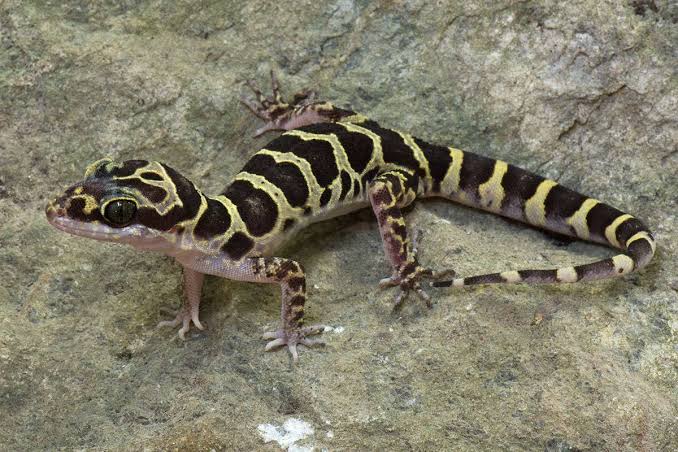
Researchers from Mizoram University have discovered a new species of bent-toed gecko in the Umrangso region of Assam’s Dima Hasao district, highlighting the rich and still largely unexplored biodiversity of Northeast India.
The newly identified species, named Cyrtodactylus dimaensis, belongs to the Cyrtodactylus khasiensis species group. The discovery was documented in the scientific journal Journal of Threatened Taxa.
The research team comprised Krijoboti Thaosen, Mathipi Vabeiryureilai, Mara Duasa Hlychho, and H.T. Lalremsanga, Head of the Department of Zoology at Mizoram University. The scientists confirmed the species through a combination of detailed morphological examination and molecular genetic analysis.
Field surveys were carried out in August 2025 and July 2026 across various habitats in and around Umrangso. Specimens were recorded in rocky microhabitats and subsequently analyzed for their physical and genetic characteristics. The researchers found distinct features in scale arrangement and body structures that set the species apart from other members of the Cyrtodactylus khasiensis group.
According to the study, C. dimaensis is closely related to Cyrtodactylus vanarakshaka, another gecko species previously described from Dima Hasao. However, significant genetic and morphological differences confirmed it as a separate species.
With this discovery, the number of documented Cyrtodactylus species found in Assam has increased to eight.
Dima Hasao lies within the Indo-Myanmar biodiversity hotspot, a globally recognized region known for its exceptional diversity of flora and fauna. Researchers believe that geographical isolation and varied habitats in the district have contributed to the evolution of unique species in the area.
The team emphasized the need for further surveys to better understand the reptile diversity of the region. The discovery adds to growing scientific evidence that Northeast India continues to harbor previously undocumented species and remains one of the country’s most important biodiversity landscapes.
The study was supported by the Ministry of Tribal Affairs and the Department of Science and Technology, Government of India.


