
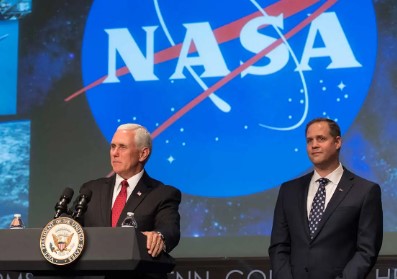
NASA’s new Administrator, Jared Isaacman, has delivered a scathing assessment of the 2024 Boeing Starliner mission, officially reclassifying the troubled test flight as a “Type A” mishap—the agency’s most severe category for mission failures. During a press conference on February 19, 2026, Isaacman released a 311-page independent report that places the Starliner incident alongside the Challenger and Columbia tragedies in terms of organizational failure. While no lives were lost, the report detailed how propulsion system anomalies and cascading thruster failures nearly led to a “terrible day” during docking. Isaacman didn’t hold back, stating that while Boeing built the spacecraft, NASA “accepted it and launched two astronauts to space,” admitting to a breakdown in leadership and a “culture of risk tolerance” that prioritized schedule pressure over technical rigor. The mishap designation was justified by over $200 million in damages—exceeding the standard threshold a hundredfold—and the unacceptable risk posed to astronauts Suni Williams and Butch Wilmore, who were famously left on the ISS for nine months before returning on a SpaceX vessel in March 2025.
The investigation revealed that the erosion of trust between NASA and Boeing led to “contentious and unproductive” meetings where dissenting safety views were often dismissed. Isaacman emphasized that the “most troubling failure” was not the hardware itself, but a leadership structure that permitted “unprofessional conduct” while the crew remained in orbit. In response, NASA has issued 61 formal recommendations that must be implemented before the Starliner is ever permitted to carry a crew again. Boeing, for its part, claims to have made “substantial progress” in cultural and technical reforms over the last 18 months, yet the report serves as a sobering reminder of the gaps in NASA’s current “limited-touch” oversight model for commercial partners. As the agency looks toward the retirement of the ISS in 2030, this historic rebuke signals a shift toward extreme ownership and transparency, with Isaacman vowing that “pretending unpleasant situations did not occur” is no longer an option for the future of American spaceflight