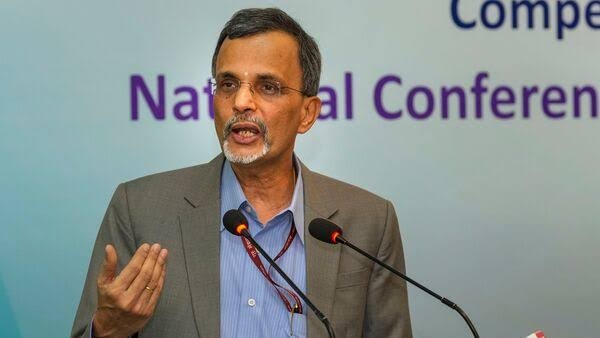
Sounding a timely cautionary note on the trajectory of India’s economic expansion, Chief Economic Adviser (CEA) V. Anantha Nageswaran has warned that premature and excessive financialisation could severely undermine the nation’s long-term growth prospects, urging capital markets to realign their priorities toward funding tangible investments in the real economy. Addressing industry leaders at the CII Financing Summit on Friday, Nageswaran framed a defining existential question for policymakers and market participants alike: whether the financial sector will serve as a constructive engine for the real economy or continue to dominate and dictate its pace. Emphasizing that injecting too much speculative finance too early in a developing nation’s lifecycle effectively pulls back the ladder of sustainable prosperity, the CEA called upon financial institutions to return to their foundational mandate of mobilizing household savings into productive avenues such as manufacturing, infrastructure creation, and large-scale employment generation. Highlighting a stark structural imbalance within India’s financial ecosystem, Nageswaran pointed out that while the country’s equity market capitalization has surged to an impressive 130 per cent of gross domestic product, the corporate bond market languishes at a mere 16 per cent, creating a critical financing bottleneck for capital-intensive, long-gestation industrial projects. Compounding this structural skew is the surging retail participation in high-risk equity derivatives, which Nageswaran flagged as a growing vulnerability that diverts domestic capital away from productive asset creation into short-term speculative churn. To correct this trajectory, he advocated for a fundamental shift in how market success and efficiency are evaluated, arguing that regulators and analysts should measure capital markets by the quantum of fresh capital raised, the duration of funding, and the lowering of capital costs rather than celebrating daily trading turnover and speculative volumes. Furthermore, the CEA underscored the pivotal role of long-term institutional investors, urging pension funds, insurance companies, and provident funds to actively channel patient capital into foundational infrastructure and industrial enterprises rather than clustering in short-term liquid instruments. By drawing a sharp distinction between speculative financial activity and genuine economic value creation, Nageswaran’s remarks serve as a strategic wake-up call against allowing financial market exuberance to outpace underlying industrial capacity. Ultimately, ensuring that India’s financial architecture remains firmly anchored to the needs of physical capital formation will be indispensable for safeguarding macroeconomic stability, deepening domestic resilience, and sustaining broad-based, inclusive economic growth over the coming decades.
CEA Calls on Indian Capital Markets to Prioritise Long-Term Productive Growth