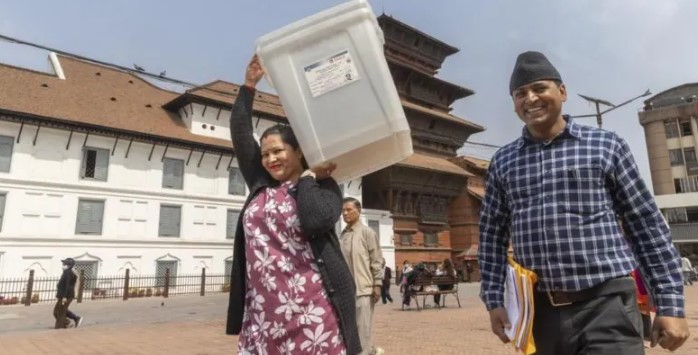
As the sun sets on a historic day of voting across the Himalayan nation, the Election Commission of Nepal (ECN) has provided a clear roadmap for when the country can expect to see the final results of the 2026 General Election. Following a day of largely peaceful polling that saw millions of citizens—including a decisive surge of first-time “Gen Z” voters—cast their ballots, Acting Chief Election Commissioner Ram Prasad Bhandari announced that the counting process would begin immediately after the ballot boxes are secured. Given the high stakes of this election, which was triggered by widespread youth-led protests last September, the ECN is under immense pressure to deliver a transparent and timely verdict. According to the commission’s official schedule, the first sets of results for the 165 directly elected (First-Past-The-Post) seats are expected to be announced within 24 hours, with a clearer picture of the majority emerging by late Friday or early Saturday.
However, the complete legislative makeup of the 275-member House of Representatives will take slightly longer to finalize due to the complexities of the proportional representation (PR) system. Under this dual-ballot structure, 110 seats are allocated to political parties based on their total national vote share, a process that requires meticulous verification of every ballot cast nationwide. The ECN has indicated that while the direct election winners will be known almost instantly, the final PR tallies and the subsequent seat allocations could take an additional two to three days. This puts the expected date for a full, official declaration of the election results around March 8 or 9. In the interim, as counting centers across all 77 districts prepare for a marathon session, political analysts are already monitoring early trends to see if the traditional heavyweights can withstand the challenge posed by the “new wave” independent candidates and youth-led parties.
The atmosphere in Kathmandu remains charged with a mix of anxiety and optimism as the nation waits to see who will lead them out of the recent political transition. With over 300,000 security personnel remaining on high alert during the counting phase, the government has urged the public to remain patient and ignore unverified social media rumors regarding premature victory claims. The 2026 election is not just about choosing a prime minister; it is seen as a referendum on the country’s democratic resilience and its ability to address the core issues of corruption and unemployment that fueled the 2025 uprising. As the first results begin to trickle in from the urban centers later tonight, all eyes will be on the Election Commission’s digital portal, which will serve as the primary source of truth for a nation eager to move toward a new chapter of governance