The United Arab Emirates allegedly conducted dozens of covert airstrikes on Iranian targets during the recent regional conflict, with intelligence and operational support from the United States and Israel, according to multiple media reports citing sources familiar with the matter. The reported operations suggest a far deeper Emirati role in the conflict than had been publicly acknowledged.
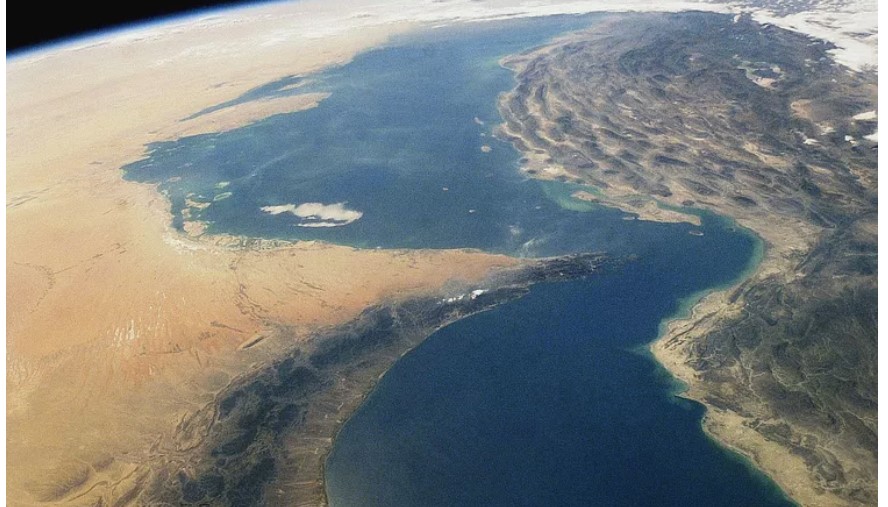
According to the reports, the strikes targeted strategic locations across Iran, including military installations, energy facilities, islands in the Strait of Hormuz, and infrastructure linked to Tehran’s defense capabilities. The operations were reportedly coordinated with U.S. and Israeli intelligence agencies and continued until shortly after a ceasefire was announced earlier this year.
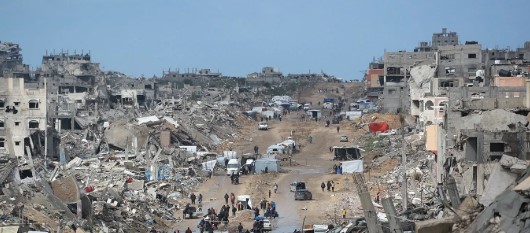
The alleged campaign came after Iran launched large-scale missile and drone attacks against the UAE, targeting oil, gas, and other critical infrastructure. Reports claim that Tehran fired thousands of projectiles toward Emirati territory during the conflict, prompting Abu Dhabi to adopt a more aggressive military response. Some of the retaliatory strikes reportedly focused on Iranian energy assets and petrochemical facilities.
The developments have also exposed differences among Gulf nations. While the UAE is said to have supported a tougher approach toward Iran, Saudi Arabia reportedly favored diplomatic efforts and expressed concerns that broader military action could further destabilize the region and threaten global energy supplies.
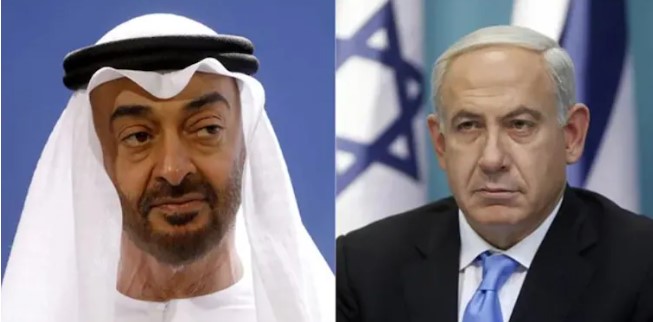
Neither the UAE nor U.S. officials have publicly confirmed the full extent of the reported operations. However, growing military cooperation between the UAE and Israel has drawn increasing attention, with reports indicating enhanced intelligence sharing and defense coordination during the conflict.
The revelations, if fully confirmed, could mark a significant shift in Gulf geopolitics, highlighting the UAE’s increasingly assertive role in regional security matters and its expanding strategic partnerships with Washington and Tel Aviv.