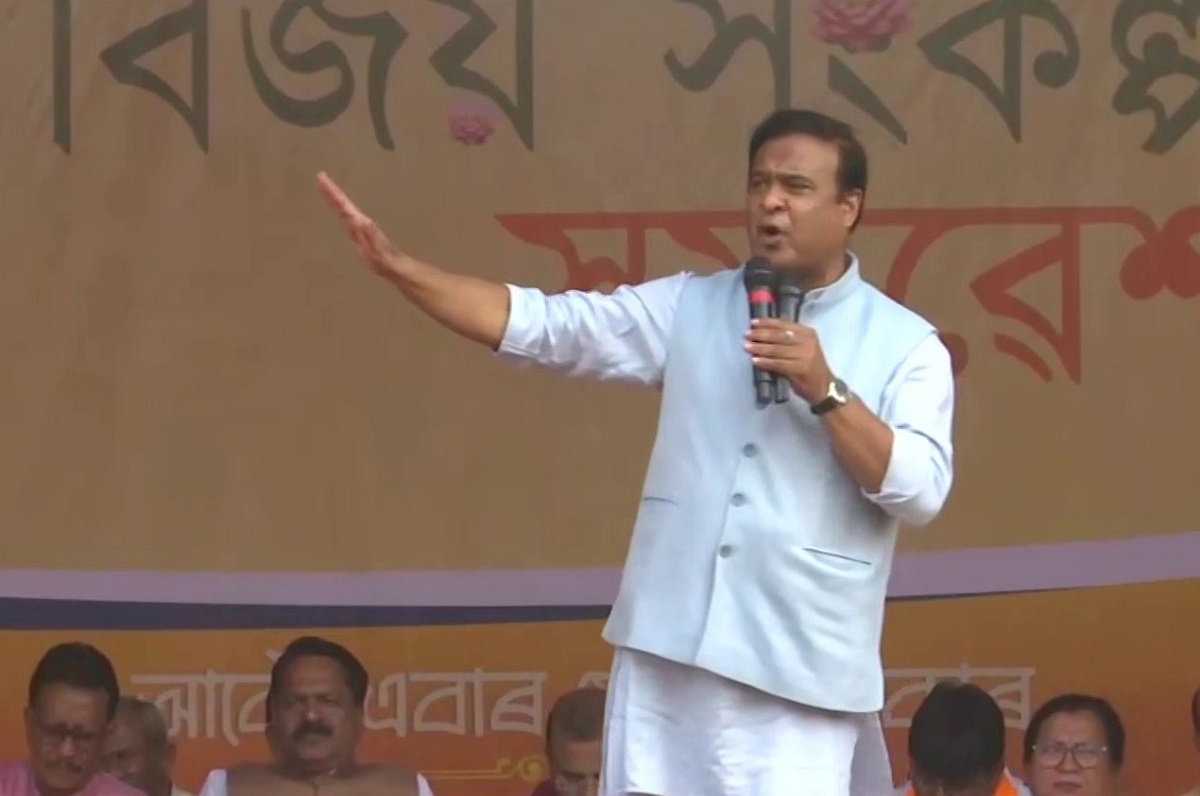

The streets of Titabar were filled with the sound of beating drums and defiant slogans on Saturday as thousands of tea garden workers from the Dofolating Tea Estate staged a massive demonstration. The protest was triggered by allegations that the estate management unfairly deducted wages for May 1, International Labour Day—a day traditionally recognized as a paid holiday or a day of heightened significance for workers’ rights.
The agitation, led by the All Adivasi Students’ Association (AASA), Titabar Regional Committee, saw an outpouring of anger as workers surrounded the tea garden office. Protesters claimed that despite reporting for duty or being legally entitled to paid leave, their earnings for May 1 were withheld. For many, this incident is not an isolated clerical error but a flashpoint in a long history of systemic exploitation within the region’s tea industry.
The protesters have specifically demanded the immediate removal of the garden manager, Surendra Tiwari. Workers accused the management of implementing “oppressive and anti-worker” policies that have made it increasingly difficult for families to afford basic necessities and education. One aggrieved worker noted that the current management has “ruined the garden,” asserting that peace and fair labor practices can only be restored if the leadership is changed.
In addition to the wage recovery for May 1, the AASA has demanded that both permanent and temporary workers receive all statutory facilities and benefits. The student body highlighted alarming allegations of past exploitation, including instances where workers were reportedly forced to work for as little as ₹125—a figure significantly lower than the established minimum wage standards.
A formal memorandum has been submitted to the Chief Director of Dofolating Tea Estate, with copies forwarded to the Titabar Labour Inspector for urgent intervention. The AASA has vowed to continue the struggle until justice and dignity are restored to the workforce. As tensions remain high, the district labor authorities are expected to step in to mediate the dispute and ensure that the legal rights of the tea tribe community are upheld.