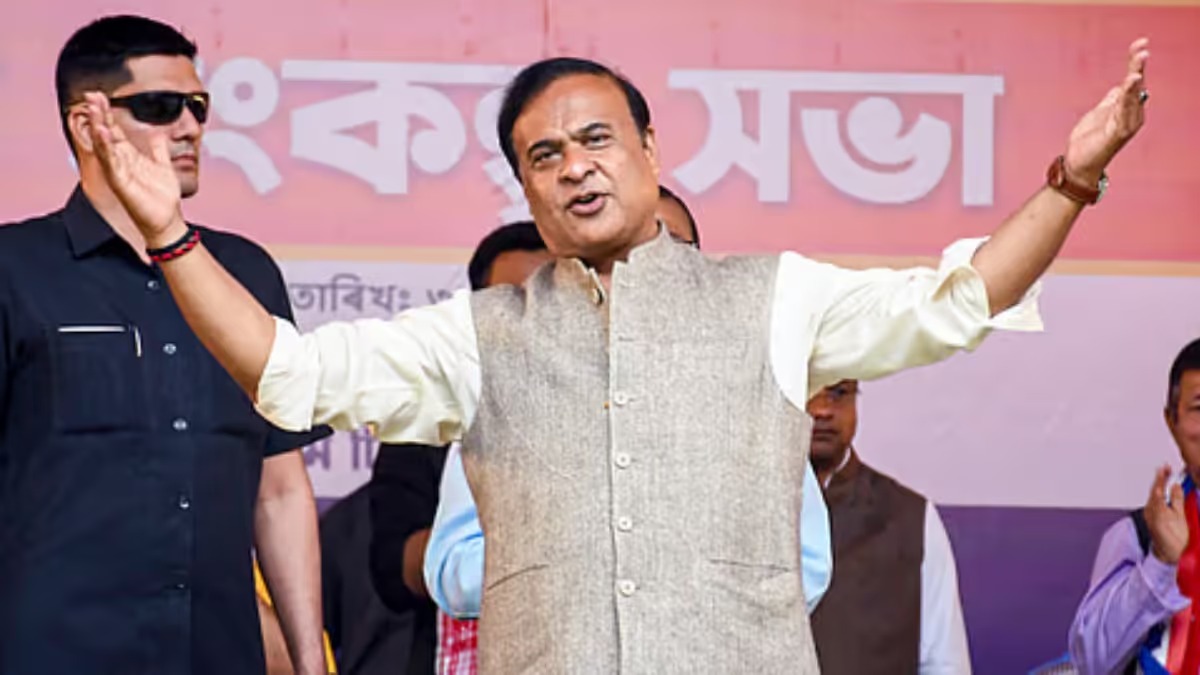
Former Minister of State for External Affairs M. J. Akbar on Thursday, April 30, declared that the global order is undergoing a profound transformation, with established international institutions struggling to maintain their relevance in an increasingly multipolar world. Delivering the keynote address at Gauhati University, Akbar highlighted the emergence of a new era where national interests are now overriding long-standing, externally driven alignments.
The national symposium, called “West Asia in a Fragmented Global Order: Security Dynamics and Economic Implications,” brought together important academics, policy experts, and university leaders, such as Vice Chancellor Nani Gopal Mahanta. Akbar said in his speech that the traditional ways of having power in the energy and financial sectors are starting to break down. He said that the UAE’s decision to leave OPEC and the growing problems with the US dollar’s dominance were clear signs that the world is changing. The national symposium, titled “West Asia in a Fragmented Global Order: Security Dynamics and Economic Implications,” brought together prominent academics, policy experts, and university leadership, including Vice Chancellor Nani Gopal Mahanta. During his address, Akbar noted that traditional structures of influence in the energy and financial sectors are beginning to fray. He specifically pointed to the UAE’s decision to step away from OPEC and the growing challenges to the hegemony of the US dollar as clear signals of a shifting geopolitical landscape.
Akbar said, “The world order is once again in flux,” noting that organizations like NATO and the United Nations, which have historically kept the peace, are having a harder time asserting their power. He contended that the resurgence of strategic contestation in diverse global regions signifies a departure from Western-centric influence, as nations emphasize autonomous strategic trajectories.
Vice Chancellor Nani Gopal Mahanta spoke about the growing pressure on American global leadership, which backed up these observations. He said that the US, which used to be seen as the main provider of security in the Gulf, is now being closely watched for its dependability. Mahanta said that making transatlantic ties weaker is making a vacuum that is letting new, diverse power centers grow all over the world.
There was a panel discussion at the symposium about India’s strategic calculus in this changing world. Experts, like former Assam DGP Bhaskar Jyoti Mahanta and strategic analyst Abhijan Das, talked about how India should deal with conflicts in West Asia. The agreement stressed the importance of a measured and realistic foreign policy to protect India’s economic and security interests in a region where things are not always clear. At the end of the event, there was a call for schools to lead informed discussions about these complicated changes in the world, making sure that India is ready for the new multipolar reality.