The Indian tea industry, fresh off a record-breaking year, is facing a sudden and severe challenge as escalating conflict in West Asia sends shipping costs into a vertical climb. According to industry leaders and exporters, freight rates to the Middle East have surged by as much as ten times, while costs for shipments to Western nations have doubled, sparking fears of a prolonged slump in global trade.
The timing of this crisis is particularly sensitive. In 2025, Indian tea exports reached an all-time high of 280 million kilograms, with West Asia emerging as the primary driver of growth, accounting for over 40 percent of the total export volume. Markets such as the UAE, Iraq, and Iran have become the lifeblood of the sector, but the current geopolitical instability has restricted buyer accessibility and forced severe limitations on shipping routes.
“Trade continues to be restricted,” warned leading exporter Mohit Agarwal. “If the war prolongs, it could have a serious impact on exports. However, if the situation stabilizes within the next week or two, we may still be able to recover the lost ground.” The logistical bottleneck is compounded by the fact that a vast majority of tea destined for Iran is routed through Dubai, making the entire supply chain vulnerable to any disruption in the UAE’s maritime corridors.
Despite the mounting costs, some industry veterans remain cautiously optimistic. Anshuman Kanoria, Chairman of the India Tea Exporters Association, noted that while freight escalation is a reality, the underlying demand for Indian tea in Middle Eastern and North African countries remains intact. He pointed out that stocks in many importing countries are currently running low, which could lead to a surge in orders once the geopolitical situation is resolved.
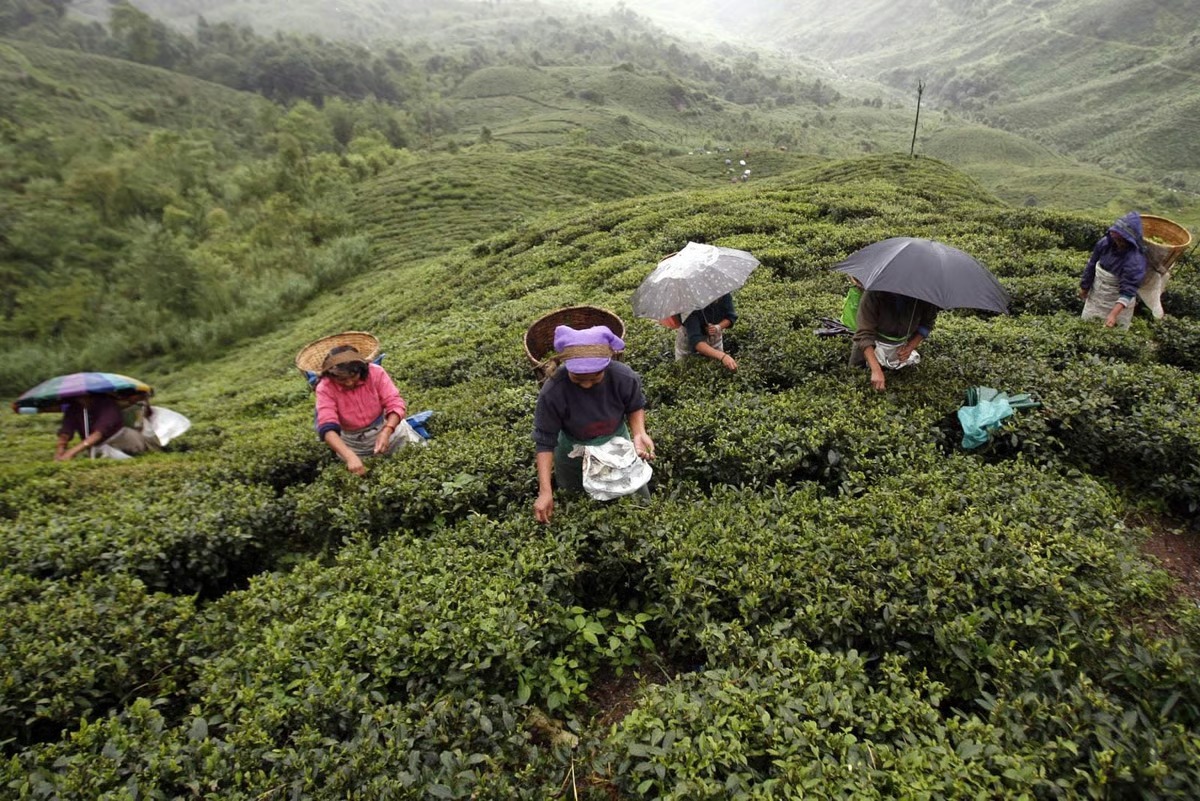
However, logistics are not the only hurdle on the horizon. Kanoria also struck a note of caution regarding new pesticide legislation in Europe, which could pose a fresh regulatory challenge for Indian tea estates. As the industry navigates these “double-edged” threats of high shipping costs and stricter international standards, the goal of maintaining the 280-million-kg momentum remains a daunting task. For now, the sector is in a state of watchful waiting, hoping for a diplomatic resolution that will allow the “golden brew” of India to flow freely once again.